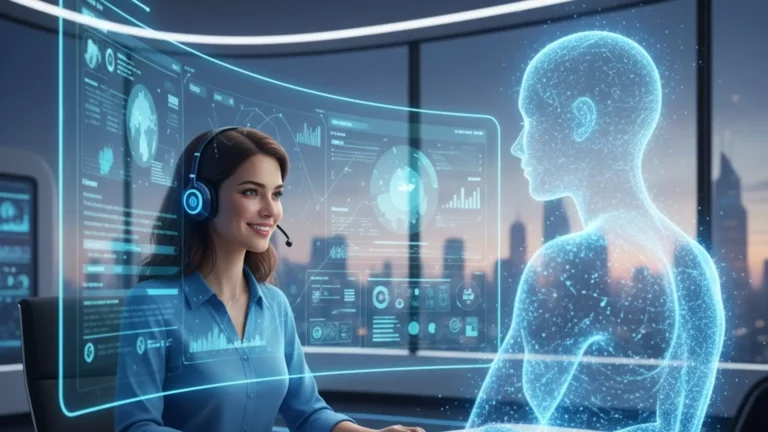
Pitch Avatar explains the purpose and potential of on-screen characters powered by artificial intelligence.
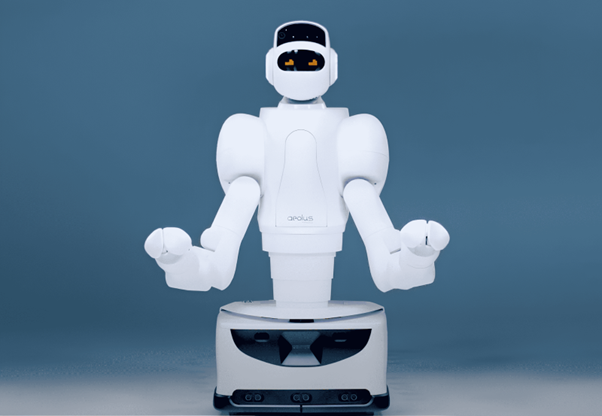
Fact #1. AI Avatars are digital communication robots
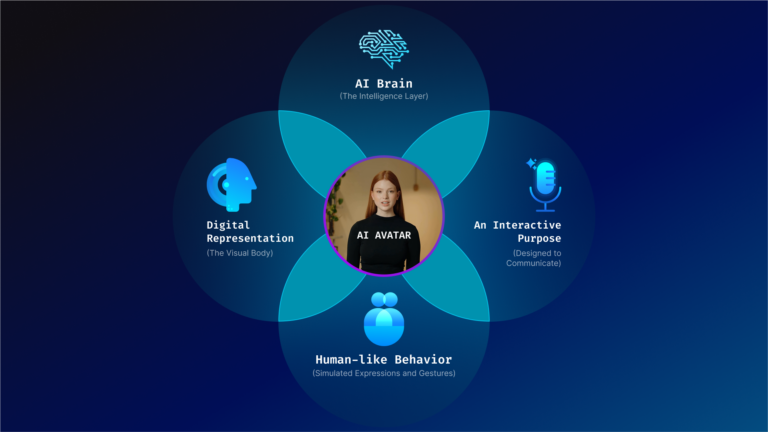
AI avatars are designed first and foremost to communicate. Their key role is to act as a bridge between content creators and audiences — a kind of visual representative for a brand, company, or individual. Through speech, facial expressions, and gestures, they deliver the messages their creators want to share sometimes as effectively as real presenters, and in certain cases, even better.
In essence, an AI avatar is a programmable, trainable digital robot that lives on screen instead of in the physical world.
Fact #2. AI Avatars are smart enough to interact with your audience
The “AI” in AI avatar doesn’t just mean the technology used to create them, it reflects their built-in intelligence. Avatars can understand context, respond to viewer questions, and react to comments related to the topic they’re presenting.
To make this work, you simply need to set them up with the right knowledge base, for example, by uploading files, links, or reference materials. Once trained, your avatar becomes a responsive, interactive digital host that can support and engage your audience in real time.
Fact #3. AI Avatars save time and money when producing video
Compared to traditional video production, content made with AI avatars is dramatically faster and more cost-effective. There’s no need to film yourself on camera, redo multiple takes, hire a crew, or book a studio.
With an AI avatar, you can create professional-level video right from your laptop in minutes or hours instead of days or weeks. No stress, no retakes, no expensive production cycle. Just write your script, generate the video, and publish.
Fact #4. AI Avatars make it easy to update and improve your content
One of the biggest advantages of AI avatars is how simple it is to edit content. If you need to update information in your video or presentation, you don’t have to reshoot anything. Just adjust the script or refresh the avatar’s knowledge base — and your digital presenter instantly delivers the new version. No cameras, no studios, no time lost.
Fact #5. Most AI Avatars are used as on-screen doubles of real people
The most common use case for this technology is creating a digital twin — a virtual copy of yourself. It’s ideal for anyone who records a lot of talking-head videos or feels uncomfortable on camera.
The only important rule: if you’re creating an avatar of another real person, make sure you have their permission. Appearance and identity are personal assets and they must be treated with respect.
Fact #6. AI Avatars can bring fictional characters or historical figures to life
AI avatars don’t have to look like real people from today. You can “revive” almost any character — a cartoon figure, a historical personality from an old photo, or even a sculpture or painting. It’s a powerful way to make stories more vivid and engaging.
However, keep in mind that many fictional and real characters are protected by copyright or image rights. Before using such likenesses, all legal aspects must be properly handled.
Fact #7. AI Avatars Are a Tool for Everyone
It’s a misconception to think AI avatars are only for corporate presentations. In reality, they’re a versatile tool that can be used by people from all walks of life: bloggers and coaches, professors and students, journalists and critics, homemakers, creators of entertainment content — practically anyone. If you think about it, almost anyone on the planet can find a valuable use for an AI avatar.
Ethics first!
One crucial principle when using AI avatars: always be transparent with your audience. Let viewers know whether they’re interacting with a real person or a digital character. This simple step prevents misunderstandings and ensures your audience never feels misled.