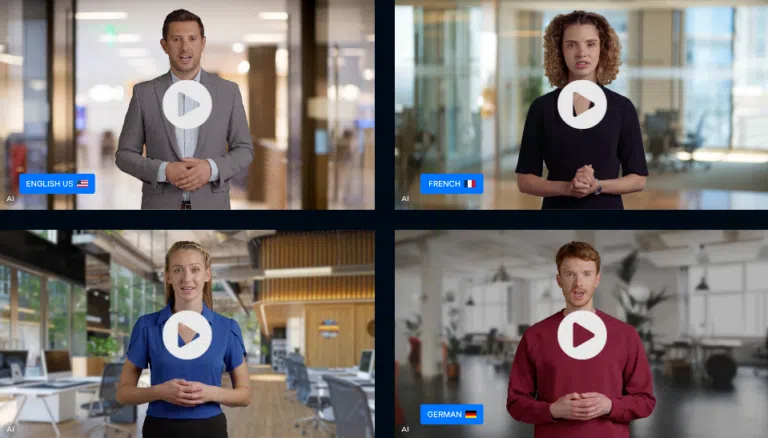
If you are not sure how AI video translation differs from AI localization, you are not alone. These terms are often used as if they mean the same thing. In reality, there is a big difference between the two.
Let’s break it down.
AI video translation
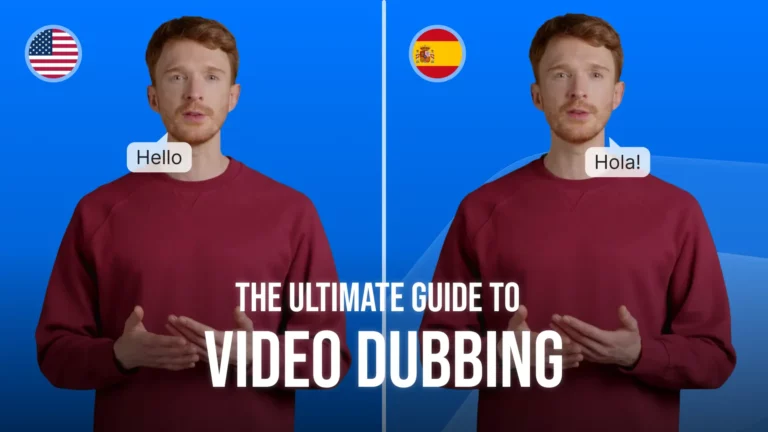
AI video translation means that the system processes a video, recognizes the speech, translates it, and then either adds subtitles or voices it in another language. The main goal is to make the meaning clear. So that a viewer who does not know the original language can still fully understand what is being said. Subtitles, dubbing, voiceover all belong here.
AI localization
AI localization goes a step further. It is not just about translating but about adapting the entire piece of content for a specific audience. For example, if a video created in Norway uses the expression “it started suddenly, like a snowstorm,” an AI system adapting it for Japanese viewers might replace it with something more culturally relevant, such as “suddenly, like an earthquake.” That is not translation anymore, it is a cultural adaptation designed to trigger the same emotion in Japanese viewers that Norwegian viewers would feel.
AI localization takes context, behavior, and audience preferences into account. It “thinks” about how to make the video feel as if it were created for that exact group of people. Voice, facial expressions, associations, the look of virtual presenters, even the choice of names can be adapted.
To put it simply
- Translation means “make it understandable.”
- Localization means “make it feel like it belongs.”
Today, artificial intelligence can do both. It takes a video created in one part of the world and makes it not only clear but also relatable anywhere else. It does this quickly and with high quality, without the need to hire translators, actors, and editors from every corner of the planet. And in an era where TikTok, YouTube, and Instagram cross borders faster than airplanes, AI-powered translation and localization have become a necessity.
How it works, using Pitch Avatar’s AI Avatar Presenter
As an example:
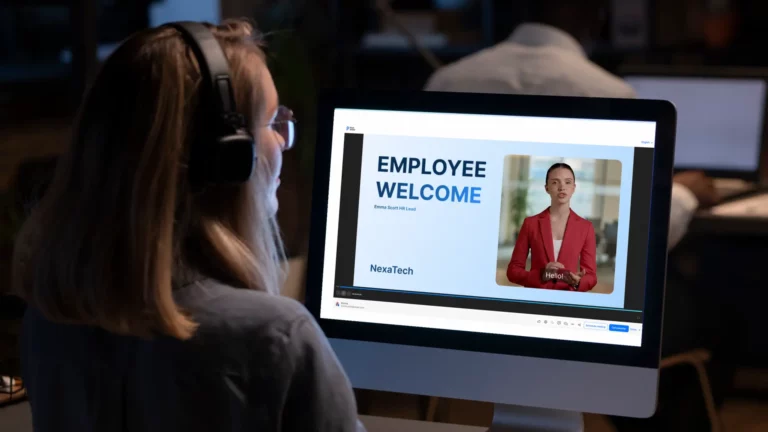
- The process begins with analyzing the uploaded video. AI Avatar Presenter extracts the audio track and converts speech into text.
- The text can then be edited and translated into the desired language using the built-in translator.
- Next, AI Avatar Presenter generates the voiceover. You can use the original voice, select one from Pitch Avatar’s library, or even clone an uploaded voice. You can also adjust the pace and emotional tone of speech.
- Subtitles can be displayed alongside the audio.
- If the edited text and the video length do not match, a special feature automatically synchronizes the video with the audio track.
One of the standout features of AI Avatar Presenter is its ability to generate and customize virtual hosts who reflect the cultural traits of the audience. On top of that, you can enhance your content with an AI Chat-Avatar that interacts with viewers in their own language, answering questions and engaging in real time.
And this is just the beginning. Pitch Avatar offers a whole range of powerful tools that make content creation easier and more effective.
Try it and see for yourself.